Transfer and Placement of Unaccompanied Children
Each year, tens of thousands of unaccompanied children seek refugee in the United States. Upon arrival, they are placed in the temporary care and custody of government shelters until they can be safely released or reunified with guardian sponsors.
To receive appropriate care, children regularly transfer between shelters in a complex process governed by many regulations. By carefully redesigning technology and policy, these transfers can be more safe, transparent, efficient, and compliant.
Team
U.S. Digital Corps
Technology Transformation Services
General Services Administration
Detail
Health and Human Services
Administration for Children and Families
Office of Refugee Resettlement
Unaccompanied Children Program
Role
Design Strategist
Product Manager
Policy Coordinator
Contributions
Service Design
User Research
Digital Design
Product Management
Policy Writing
Contents
Disclaimer
This case study is written in my personal capacity and is based solely on publicly available information. The views expressed are mine alone and do not represent those of any mentioned agencies or the United States Government. Additionally, any terminology used aligns with guidance from the Biden Administration and may have since changed.
Context
UNACCOMPANIED CHILDREN
An unaccompanied child ("UC", sometimes "separated child" or "unaccompanied alien minor") is a child who arrives in a country alone and without legal status. Without a parent or legal guardian, they are taken into government custody and may seek immigration status through asylum, special immigrant status, or visas for victims of trafficking or certain crimes.
ORR AND THE UC PROGRAM
The Office of Refugee Resettlement (ORR) administers the Unaccompanied Children (UC) Program, which provides temporary shelter, health services, education, and case management for the children in its care under federal law. ORR is also responsible for the safe release of children to vetted sponsors while legal proceedings are underway.
Challenge
PROBLEM
The Office of Refugee Resettlement needed to improve its oversight related to the transfer and placement of children.
A 2023 audit by the Office of Inspector General (OIG) found that ORR did not adequately document placement decisions for children with special concerns or needs, and faced challenges in transferring children with behavioral and mental health issues.
These errors occurred because ORR had limited quality control procedures, lacked oversight to ensure documentation was retained by care providers, and did not have a process in place to track denied transfers.
GOAL
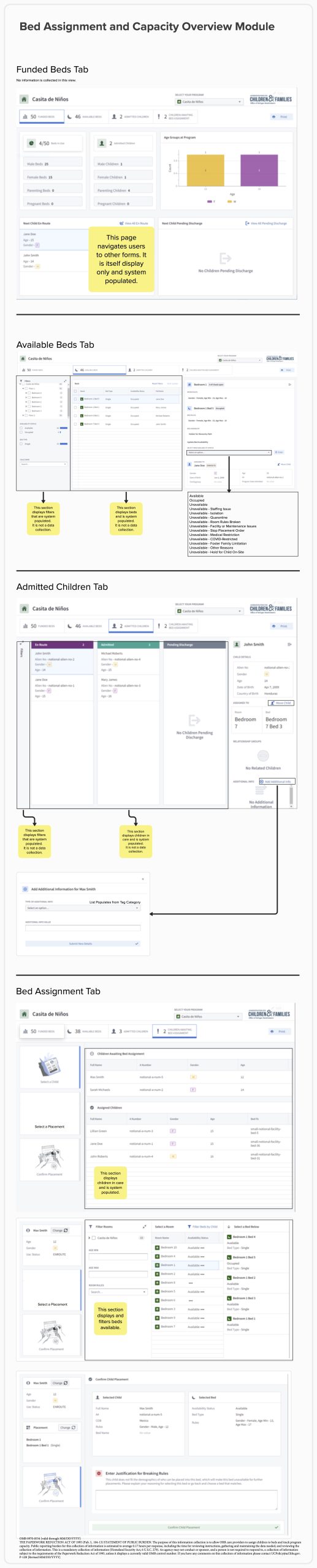
Redesigned technology and policy for transfer and placement will help care providers ensure children are in appropriate levels of care.
The OIG made several recommendations to ORR, which included:
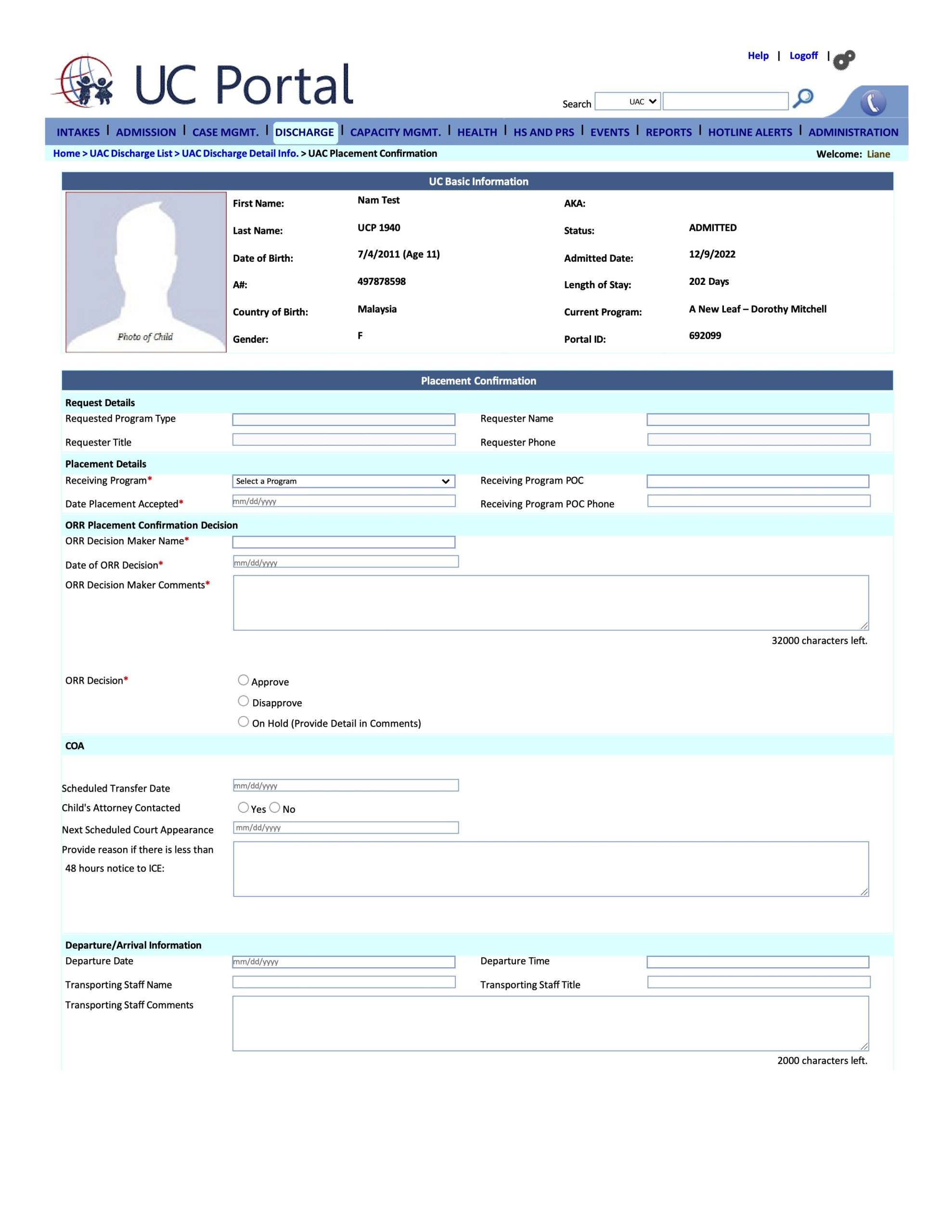
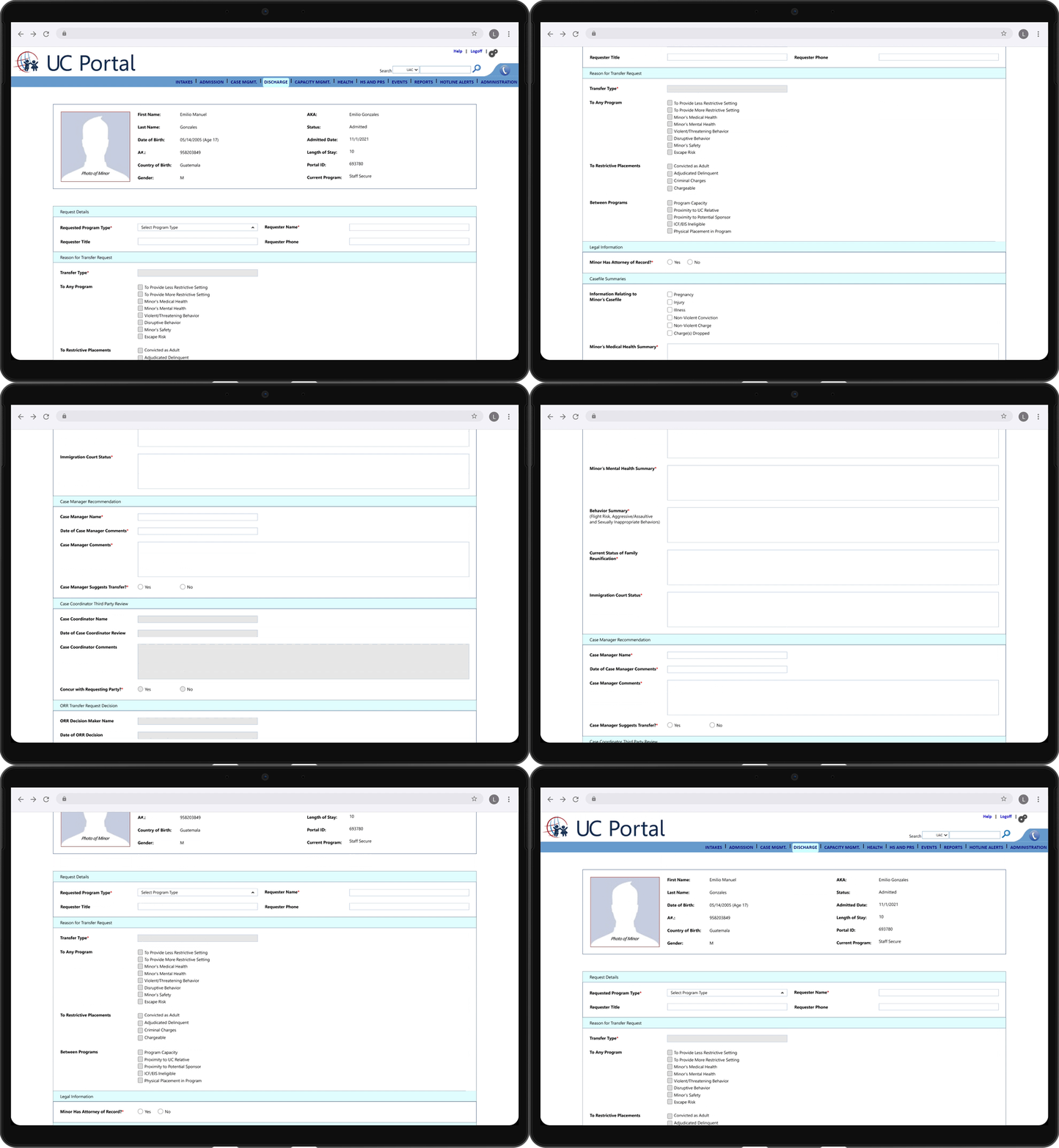
Strengthening oversight of transfers between ORR care provider facilities by requiring that all transfer documentation be maintained in the UC Portal and by developing procedures for tracking and reviewing that documentation.
Reviewing restrictive setting placement denials and taking action as needed to ensure an appropriate placement for each child.